Pinto Coelho Clinic: The Doctor Who Treats the Soil, Not the Seed
How a Portuguese physician with five decades of practice and a bestselling shelf of books built a clinic around one simple, stubborn idea: look after health first, and disease takes care of itself.
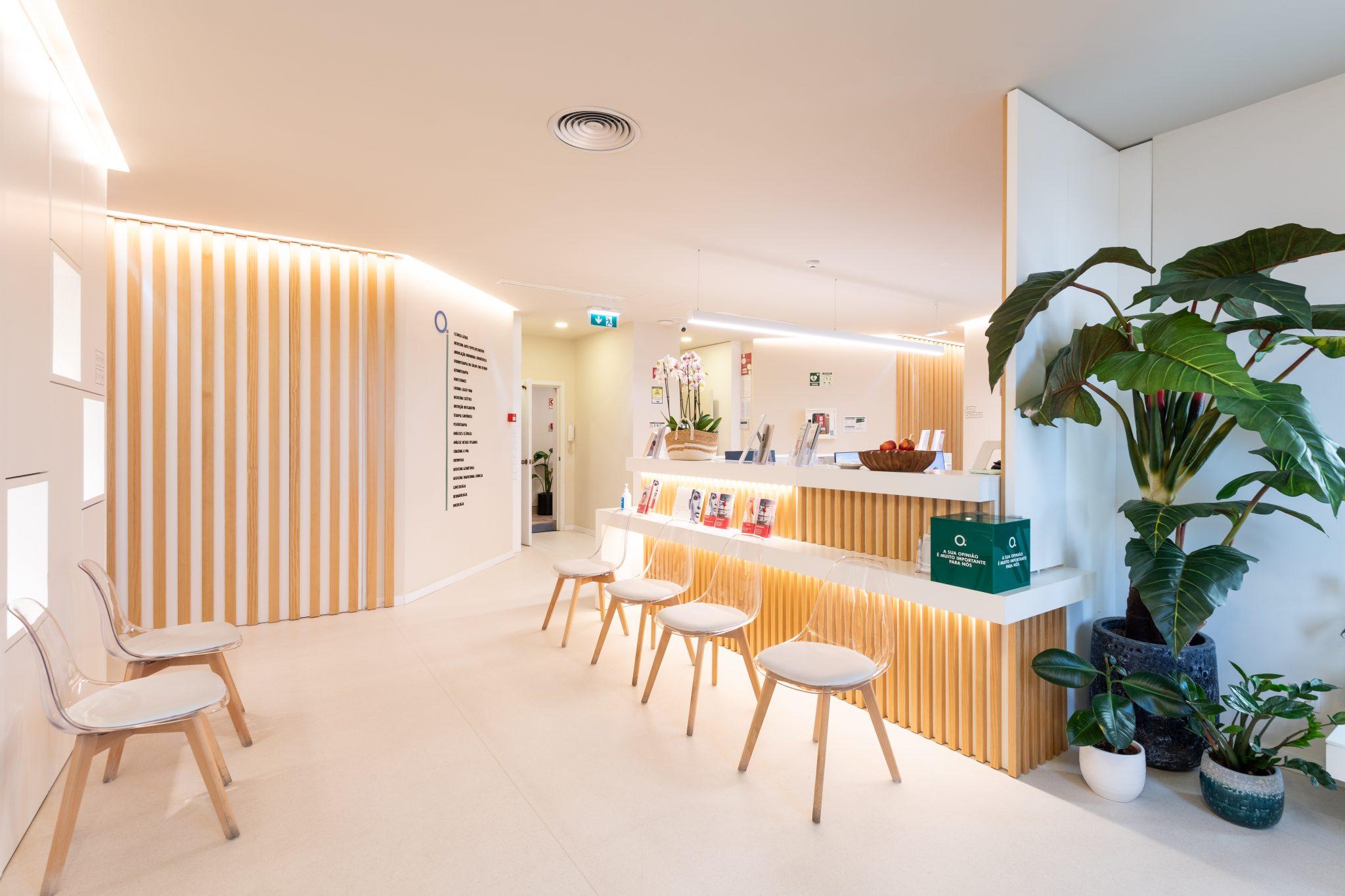
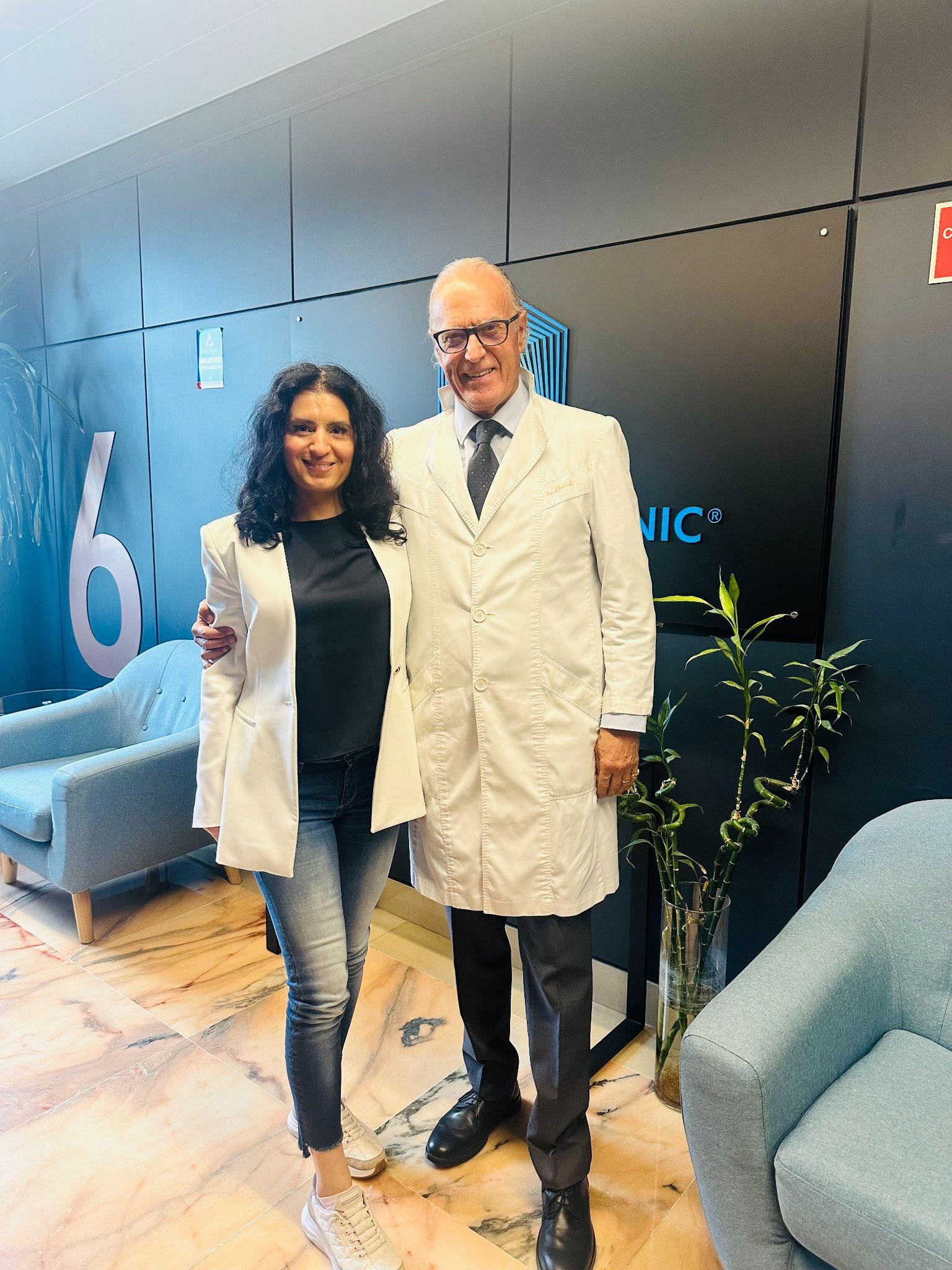
We visited the Pinto Coelho Clinic in Lisbon and spent time with its founder. What follows is more a portrait of a philosophy than a tour of equipment. At this clinic, the philosophy is the product.
Sugar, says Professor Pinto Coelho, who runs the clinic in Lisbon, is the most dangerous drug in the world. To him it is the problem behind many modern diseases, more deceptive than anything he encountered in years of treating addiction, because hardly anyone recognizes it as a poison at all. That single conviction, that what we eat shapes our health long before any diagnosis, tells you most of what you need to know about the man who runs the place.
The Man Before the Method
Professor Pinto Coelho has been a registered physician in Portugal since 1974. Over more than fifty years he has lived several medical lives. He was the lead doctor for Sporting Clube de Portugal during the club's historic treble season in the early 1980s. He ran drug addiction recovery centers near Lisbon and in Porto, where he treated seventeen thousand heroin addicts and earned a doctorate connected to the field. He was, for a time, the personal physician to a Portuguese prime minister.
The turn toward longevity medicine came from a need: his son, Bernardo, and a diagnosis of ALS. That moment, he says, opened his eyes to the immense importance of food for health, and to a set of available tools that can prevent disease, help in its cure, and enable a longer and healthier life. Everything the clinic does today grows out of that reckoning.
He has since become one of the most published medical authors in his country. His title Chegar Novo a Velho, meaning to arrive at old age while still young, was among the best-selling non-fiction books in Portugal in 2016 and 2017. Cristiano Ronaldo wrote a dedication inside one of them, praising its account of the immune system. The clinic's social channels draw millions of views.
The Seed and the Soil
If there is one image that holds the whole approach together, it is agricultural. The system, he says, is too focused on the seed and not, as it should be, on the soil that receives the seed. One of his lectures is titled exactly that: The Seed and the Soil. “You don't need to be a farmer to understand that the soil matters much more than the seed,” he says. “If the soil doesn't want it, the seed does not penetrate.”
In medicine, the seed is the pathogen, the tumor, the virus of the season. The soil is the body that receives it. Conventional care, in his view, spends almost all of its energy attacking seeds while ignoring the terrain. He points to the paradox that drives him: medicine advances, and each time there are more diseases. More cancers, more autoimmune diseases, more Alzheimer's. It makes no sense, he says, because no one studies the immune system the way it should be studied.
He is blunt about where the gap begins. A medical degree runs six years, he notes, and in those six years there is not a single chair of nutrition. Students finish, swear the Hippocratic oath, and step into practice having pledged themselves to a man who taught that food is our first remedy, without having studied food for an hour. His five Hippocratic anchors come up again and again:
- 1Food is the first remedy
- 2Whoever does not know food cannot treat disease
- 3We have within us everything we need
- 4Many diseases begin in the gut
- 5First, do no harm
Methodology
The clinic organizes its work around eleven pillars:
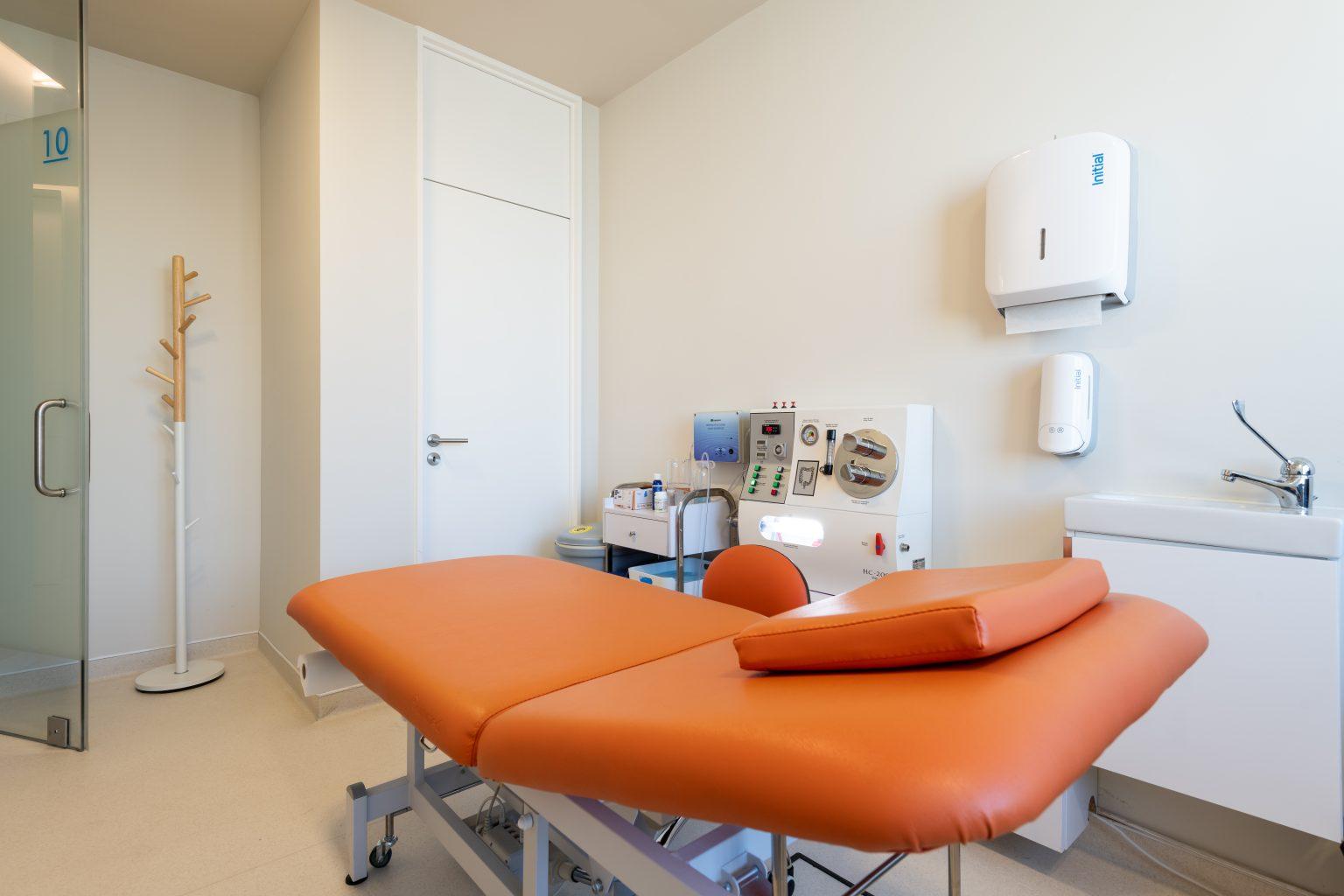
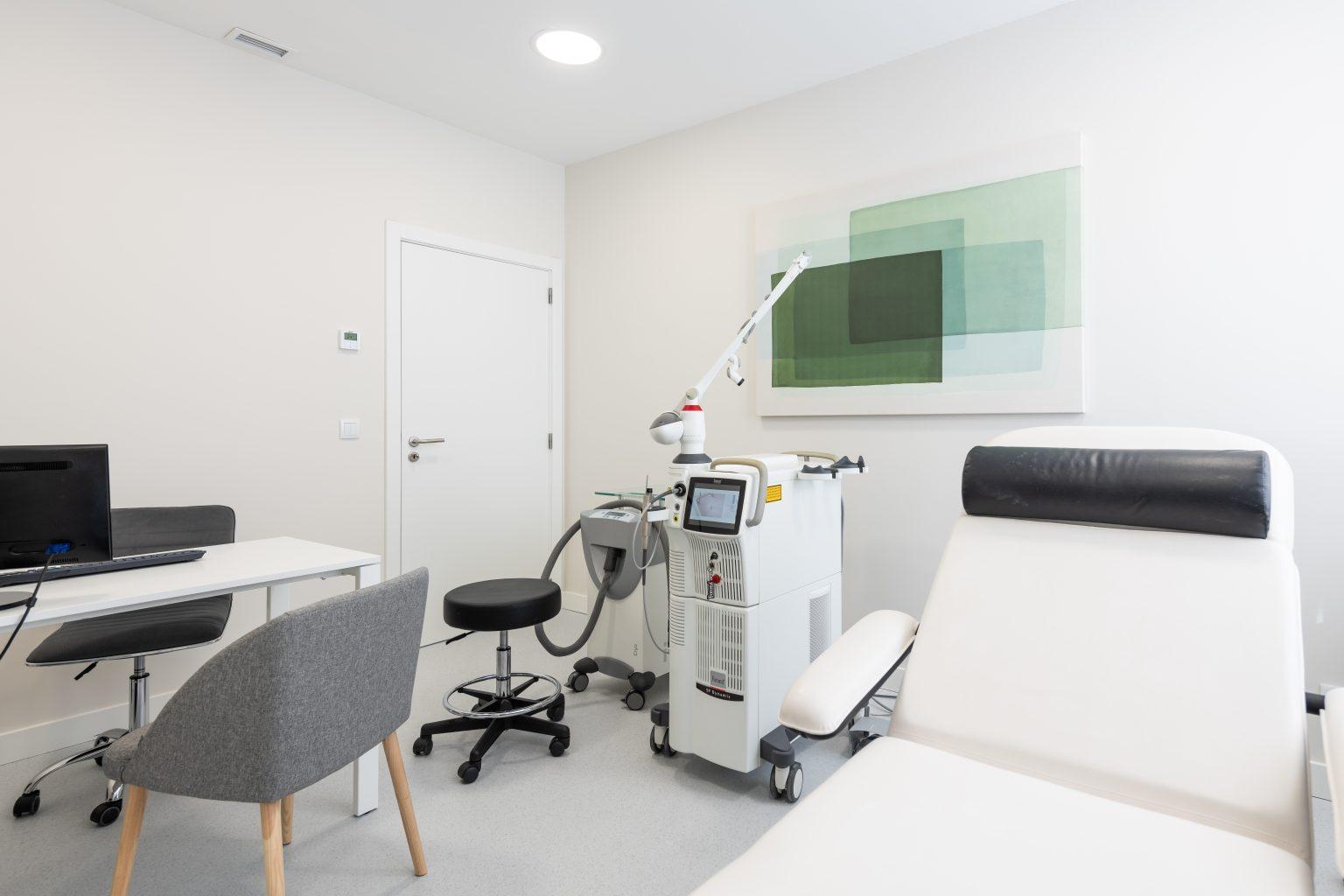
On-site, that philosophy becomes concrete: functional diagnostics, blood and genetic testing, thermography, bioimpedance, ozone and oxygen therapies, and a dedicated immune program called ImunoVida.
But the doctor measures success in moments of recognition. He describes patients with rheumatoid arthritis who have moved from rheumatologist to rheumatologist for years, and not one of those colleagues told them they could not eat sugar, gluten, and casein, that they should not damage the gut lining. Roughly seventy percent of the immune system lives in the gut, he explains. Inflame that lining every day, let it grow permeable, and what you eat leaks into the blood, forcing the body into the antigen-antibody reaction that underlies autoimmune disease. Remove the triggers, repair the soil, and some reach what he carefully calls remission: not a cure, but real and lasting improvement.
His favorite way to describe it comes from a song, Joe Cocker's reading of Never Tear Us Apart.
“We all have wings, but some of us don't know why. What we do in the consultation is tell people that they have wings, and explain how they can fly.”
The Road Ahead
The Pinto Coelho Clinic believes health is built earlier than the consultation room. Among the long list of books its founder has published, one stands apart: Eu Escolho Crescer Com Saúde!, I Choose to Grow with Health, written for children. The future the clinic cares most about is the one today's young readers and their children will live in, and it intends to have equipped that future with the right habits long before the institutions catch up.
Is the clinic optimistic about preventive health taking hold on a wider scale? Pinto Coelho's answer is immediate.
“Optimistic. Because the truth is the truth.”
The confidence rests less on institutions changing than on people reading, comparing, and arriving at their own conclusions.
The Team
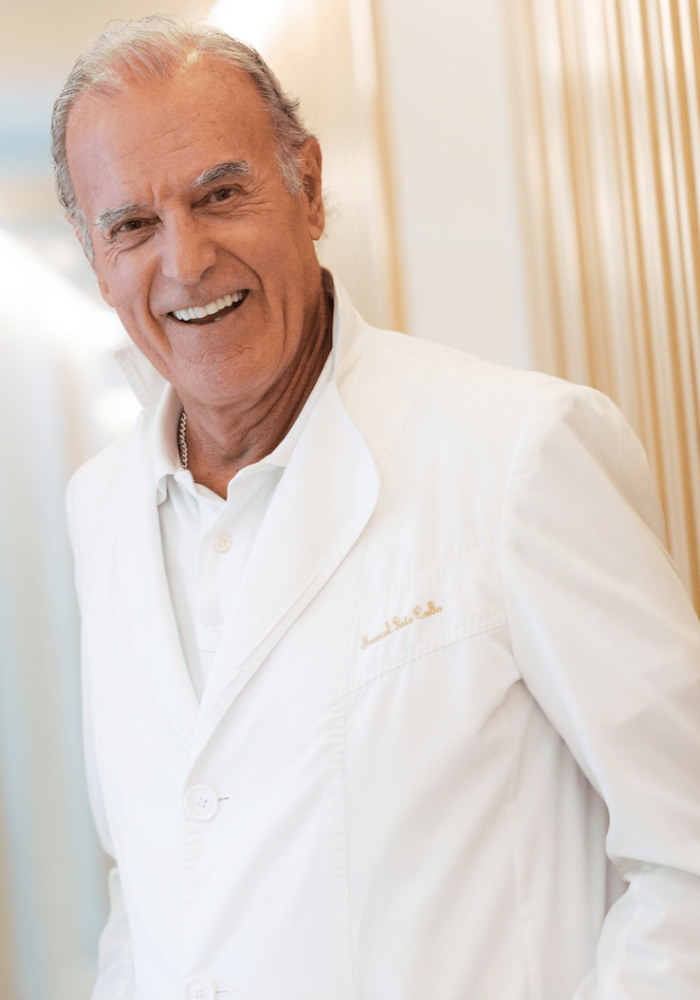
Prof. Dr. Manuel Pinto Coelho
Founder & Clinical Director
MD, PhD. The clinical and philosophical center of the practice. A registered physician since 1974 with postgraduate training in anti-aging medicine from the Universitat Autònoma de Barcelona, he sets the medical direction and is the author behind the clinic's books, programs, and the 11-pillar model that organizes its care.
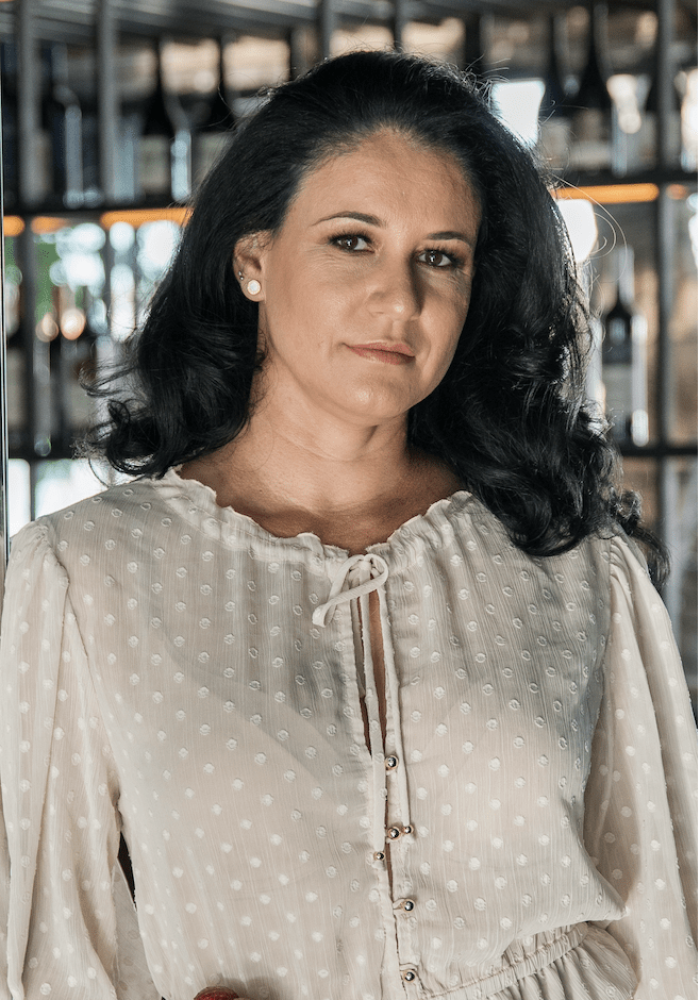
Daiana Pinto Coelho
Co-Founder & Managing Partner
Co-founded the clinic alongside Professor Pinto Coelho. She runs administration and the business of keeping the philosophy operational day to day.
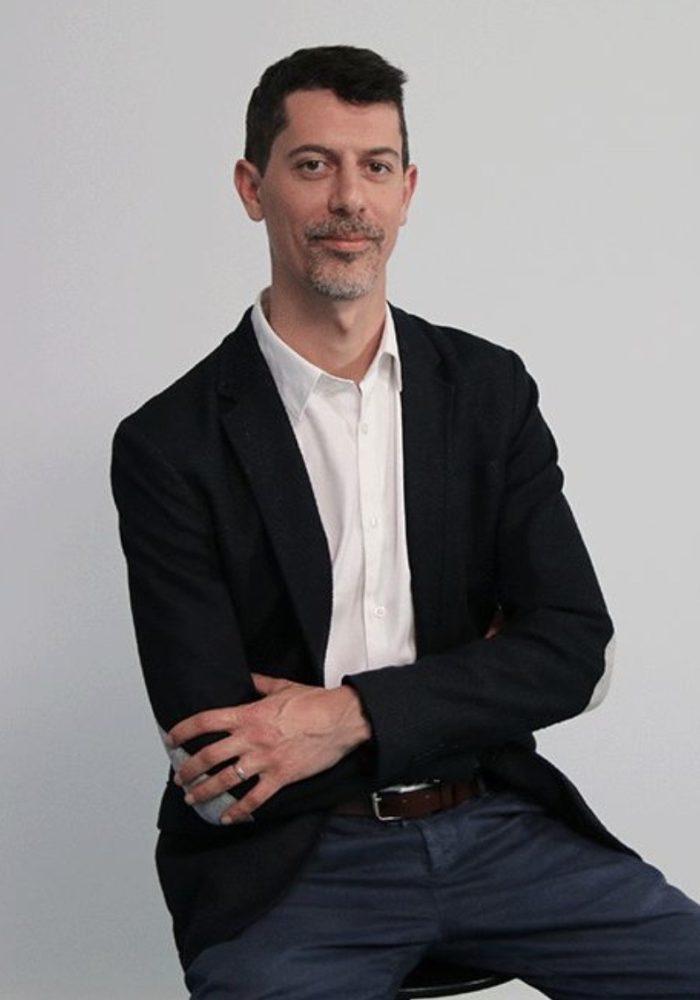
Pedro Aguiar
Executive Director
A healthcare manager with more than 15 years of experience. Passionate about management and care, his goal is to contribute to healthcare that is efficient, accessible, and financially sustainable.
Around them sits a broad multidisciplinary team: physicians, psychologists and health coaches, nutritionists, nurses, and practitioners across osteopathy, exercise physiology, Chinese medicine, urology, vascular surgery, orthopedics, and aesthetics.
How We Support Clinics Like Pinto Coelho
The Pinto Coelho Clinic's care rests on a methodology refined over five decades, and on follow-up that continues long after the consultation ends. Sustaining that, and keeping it consistent for every patient, calls for tools designed around the same idea.
We built LongevOS for exactly that: an operating system for a practice like his. It turns each patient's data into a personalized plan built on the clinic's own methodology, and lets patients follow their progress and interventions in their portal between visits. The methodology itself lives inside the system, so the soil he has spent a career learning to tend can now be tended at scale.